

Key Takeaways
- Cardiovascular disease in African American women is a critical issue, with nearly 57% affected by some form of heart disease.
- Understanding biological, social, and environmental factors helps explain the higher risks Black women face for heart issues.
- Prevention includes healthy eating, regular screenings, and culturally tailored programs that support heart health initiatives.
- Self-advocacy and community engagement empower Black women to take charge of their heart health and advocate for better resources.
- Education plays a vital role; sharing knowledge within families builds awareness and promotes healthier lifestyles.
Every year, heart disease claims more lives than any other illness in America. For African American women, the danger is even greater. Black women are more likely to develop high blood pressure, diabetes, and other conditions that can lead to heart problems, strokes, or even early death. Understanding these risks and knowing how to defend health are important steps toward living longer, healthier.
The Burden of Heart Disease
It’s no secret: African American women face higher rates of heart disease than anyone else in the country. Studies show that almost 57% of Black women have some form of cardiovascular disease. High blood pressure (hypertension) and diabetes often start at younger ages. These conditions make it harder for the heart to do its job, and over time, can lead to a heart attack or stroke.
What’s worse, many Black women are diagnosed too late. Sometimes, symptoms are ignored or not taken seriously by healthcare providers. Other times, people simply don’t know what to look for. African American women, on average, are twice as likely to die from heart disease compared to white women. These statistics make heart health a top priority for Black women and their communities.
Why Are African American Women at Higher Risk?
There are many reasons behind these numbers, and it’s not just about genes or personal choices. Social and environmental factors play a huge role.
Biological Risks
- High blood pressure (sometimes called “the silent killer”) is more common and often starts earlier in Black women.
- Diabetes rates are higher, and diabetes raises the risk of heart disease.
- Obesity affects more Black women than women of other backgrounds.
Psychosocial and Social Determinants
- Stress from work, family demands, and daily life can hurt the heart.
- Racism and discrimination, both from society and inside health care, can cause chronic stress that leads to high blood pressure and other problems.
- Lack of access to healthy foods, safe places to exercise, or regular doctors makes it harder to stay healthy.
Prevention and Screening Strategies
The good news? There are many ways to prevent heart disease and catch it early.
Healthy Eating and Exercise
Eating more fruits, veggies, lean proteins, and whole grains helps lower blood pressure and keep weight in check. Cutting back on salt, sugary drinks, and fatty foods is key. Moving more—even if it’s just walking, dancing, or riding a bike—keeps the heart strong.
Regular Screenings
Get blood pressure, cholesterol, and blood sugar checked every year. Early detection can save lives. African American women may need to start screenings at younger ages due to a higher risk. If numbers are high, talk with the doctor about ways to lower them—including medicines and lifestyle changes.
Culturally Tailored Programs
Community events, church health fairs, and Black women’s heart health groups offer support, resources, and education. Faith-based and community programs are proven to work, especially when they match people’s culture and traditions.
Self-Advocacy: Taking Action for Heart Health
Knowing the facts isn’t enough—standing up for health is just as important. Here are steps every African American woman can take to defend her heart:
1. Listen and Act
Pay attention to symptoms like tiredness, chest pain, palpitations, or shortness of breath. If something feels wrong, don’t wait. Ask for help as soon as possible.
2. Get Prepared
Before visiting the doctor, write down concerns, symptoms, and questions. Bring a list of medicines and any family history of heart problems. Ask about screening tests—don’t be afraid to speak up!
3. Demand Respectful and Competent Care
Healthcare providers must understand and respect Black women’s unique needs. It’s okay to switch doctors or ask for someone who gets it. Culturally competent care means providers listen, explain, and support patients appropriately.
4. Build a Support Network
Friends, family, church members, and local organizations can offer encouragement and help with motivation. Team up to exercise, share healthy recipes, and remind each other about doctor’s visits.
5. Practice Self-Care Every Day
Making time for self-care—like walking, meditation, relaxing, and positive affirmations—helps lower stress. Getting enough sleep and tuning into mental health is as important as physical health.
6. Become a Community Advocate
Join local health groups, speak at events, or help organize screenings. Advocate for more resources, research, and equitable health policies that benefit Black women. The community’s voice is powerful.
Education: Sharing Knowledge and Building Empowerment
Getting educated is the first step—sharing that knowledge is the next.
1. Use Trusted Sources
Get information from organizations like the American Heart Association, Black Women’s Health Imperative, or local health centers. Reliable resources help separate fact from fiction and keep people up to date about new treatments and advice.
2. Talk Openly About Heart Health
Have conversations with family members about risk factors and prevention. Encourage older relatives to share their stories. Knowledge passed down from generation to generation builds stronger families.
3. Celebrate Role Models
Follow stories of Black women who take charge of their health, lead advocacy efforts, or inspire others. Real-life models prove that change is possible and worth fighting for.
Access the Hypertension: What to Track and Say at Appointments Violet Sheet
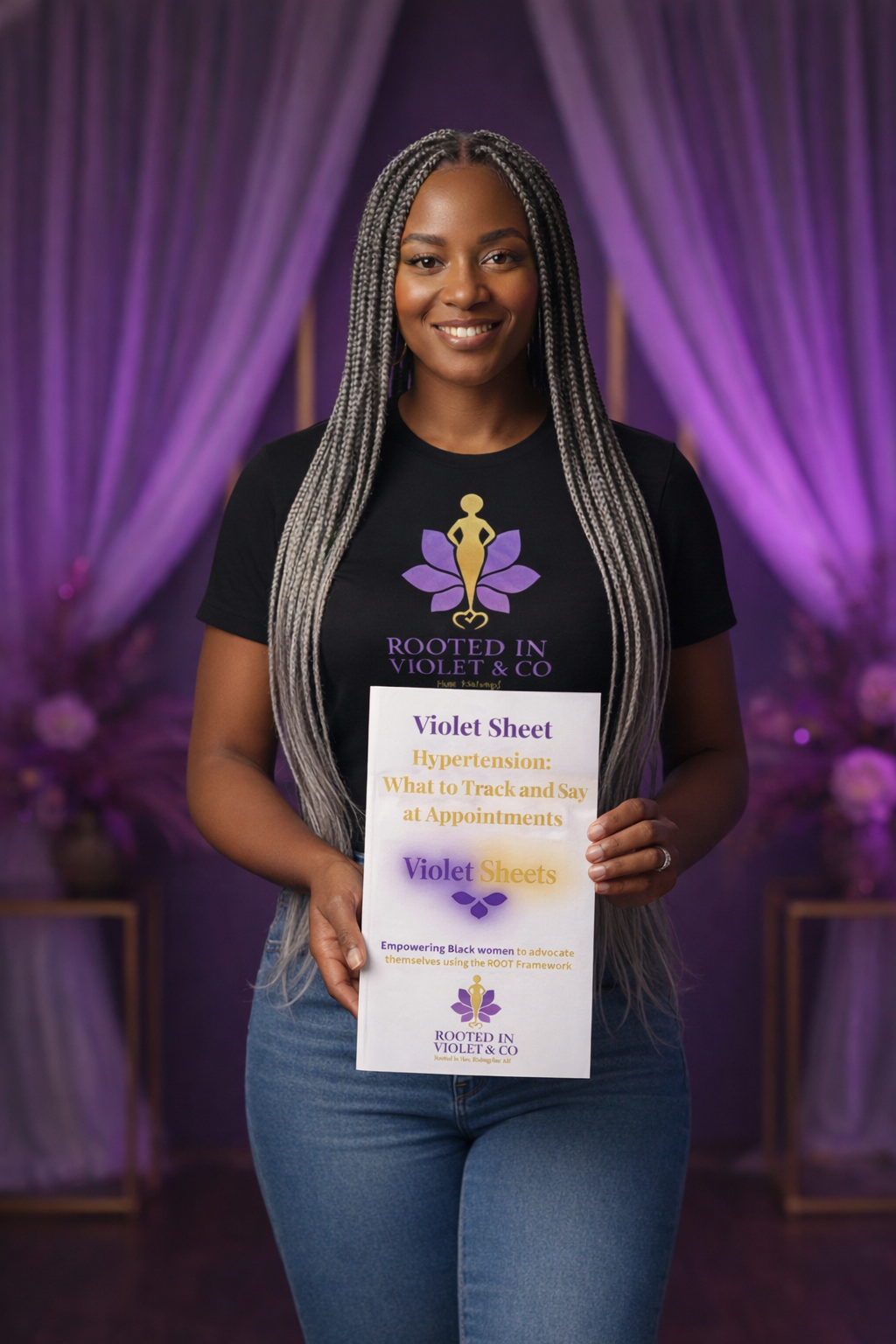
Prepared women change the conversation.
Real Stories: African American Women Leading Change
Many Black women are already taking steps to protect their hearts. For example:
- Women are starting walking groups, sharing heart-healthy recipes, and supporting one another’s health journeys.
- Survivors of heart disease often talk at schools or churches to warn others about risks and encourage routine checkups.
- Community leaders advocate for better local healthcare, more screening programs, and safer neighborhoods for exercise.
- Family members team up to learn about healthy cooking and ways to manage stress.
- Social media campaigns spotlight real stories and motivate others.
These actions show that when women come together, they not only change their own health—they help their whole community.
Conclusion
Cardiovascular disease is a major threat for African American women, but there are powerful ways to fight back. Learning the risks, getting regular checkups, eating well, moving more, and standing up for respectful care make a big difference. By practicing self-advocacy and sharing knowledge, Black women can become champions for heart health—helping themselves, their families, and their communities.
Let’s keep the conversation going about heart health, take action, and make sure every African American woman lives with strength, resilience, and hope.
References
Note: This article draws on recent scholarly and professional literature to provide facts and recommendations. Key sources include:
- Beatty Moody, D.L., et al. (2025). Multilevel Racism and Discrimination and Cardiovascular Disease: An Integrated Scoping and Literature Review and Future Research Agenda. Current Cardiology Reports, 27(1), 91. https://doi.org/10.1007/s11886-025-02238-3
- Cardiovascular Risk Factors in Younger Black Women. ScienceDirect. https://www.sciencedirect.com/science/article/pii/S2666602221000355
- Heart Disease and Black/African Americans. Office of Minority Health. https://minorityhealth.hhs.gov/heart-disease-and-blackafrican-americans
- Priority for Cardiovascular Health Equity among U.S. Women. AHA Professional Heart Organization.
- Healthy Hearts for an Abundant Life: Feasibility of a Culturally Relevant Intervention for African American Women. Health Equity, 2021.
- BWHI and The Heart Truth®: Empowering Black Women to Manage Stress with Self-Care for Heart Health. Black Women’s Health Imperative.
- Applying Community-Based Participatory Research to Promote Cardiovascular Health Equity in African American Women. CDC, 2025.
- Eliminating Disparities in Cardiovascular Disease for Black Women. ScienceDirect.
Author Note:
Always consult a trusted healthcare provider with any questions or concerns about heart disease. This article is for educational purposes and does not replace professional medical advice.